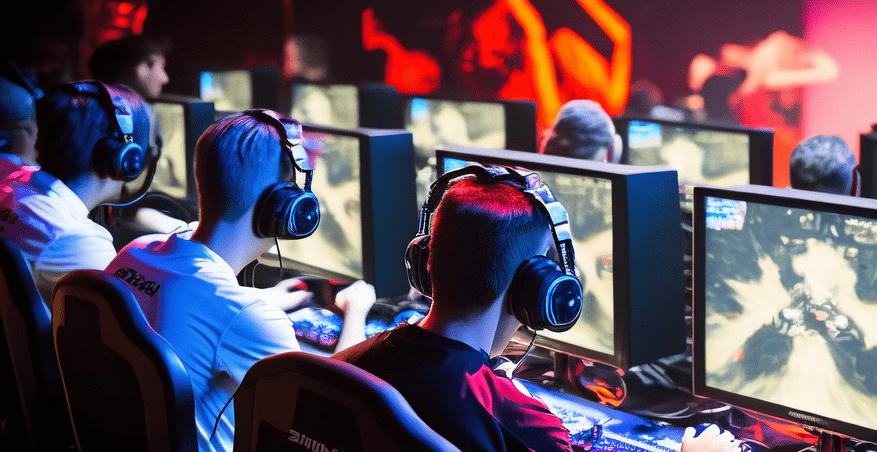
Computer Esports: The Backbone of Competitive Gaming
While mobile gaming has rapidly expanded the esports audience, computer esports (PC gaming) remains the foundation of the competitive gaming industry. From iconic LAN tournaments in the early 2000s to today’s multi-million-dollar global championships, PC esports has set the stage for what we now recognize as professional gaming.
A Brief History of PC Esports
Competitive PC gaming started with classics like Counter-Strike 1.6, Warcraft III, and StarCraft. Local cyber cafés and LAN events brought communities together, laying the groundwork for professional leagues.
The real boom came in the 2010s with:
-
Dota 2’s The International (TI), offering record-breaking prize pools.
-
League of Legends (LoL), with its World Championship filling stadiums.
-
CS:GO Majors, which became staples of esports culture.
These tournaments didn’t just attract hardcore gamers—they turned esports into mainstream entertainment.
Popular PC Esports Titles
Some of the most influential and competitive PC esports titles include:
-
Counter-Strike: Global Offensive (CS:GO) / CS2 – A tactical shooter with decades of history and a fiercely loyal community.
-
Dota 2 – Famous for The International, the world’s biggest esports prize pool.
-
League of Legends – The most-watched esports game globally, with massive fan bases in Asia, Europe, and North America.
-
Valorant – Riot Games’ new tactical shooter, quickly becoming a top-tier esport.
-
Overwatch – Blizzard’s team-based shooter with a structured franchise league.
-
StarCraft II – Once the king of esports in South Korea, still respected globally.
Why PC Esports Remains Dominant
-
High Skill Ceiling
PC games require precision, strategy, and teamwork at the highest levels. -
Established Ecosystem
Leagues, organizations, and long-standing tournaments give PC esports stability. -
Spectator-Friendly
PC games are optimized for broadcast, with dynamic visuals and detailed stats. -
Global Recognition
PC titles are the ones that brought esports to mainstream TV and global sponsors.
The PC Esports Industry
-
Teams & Organizations: Global giants like Team Liquid, Fnatic, and Evil Geniuses built their legacies in PC esports.
-
Prize Pools: Dota 2’s The International has exceeded $40 million, setting records.
-
Broadcasting: Twitch, YouTube, and even ESPN have streamed PC tournaments.
-
Sponsorships: Brands like Intel, Red Bull, Logitech, and BMW heavily back PC esports.
Challenges Facing PC Esports
-
Accessibility – High-end PCs are expensive, limiting player entry in many countries.
-
Fragmentation – Multiple titles split audiences across different ecosystems.
-
Sustainability – Some leagues, like Overwatch League, have struggled financially.
-
Competition from Mobile Esports – In regions like Asia, mobile titles attract larger player bases.
The Future of PC Esports
Despite competition from mobile, PC esports remains the gold standard of professional gaming. With new titles like Valorant gaining momentum and VR/AR innovations on the horizon, PC esports continues to evolve.
Analysts expect PC esports to maintain its dominance in prize pools, production quality, and global influence, while mobile esports will lead in participation numbers. Together, they will shape the future of competitive gaming.
✅ Final Word: Computer esports isn’t just gaming—it’s a culture, a profession, and a global industry. From strategy-heavy MOBAs to fast-paced shooters, PC esports continues to push the limits of competition and entertainment worldwide.