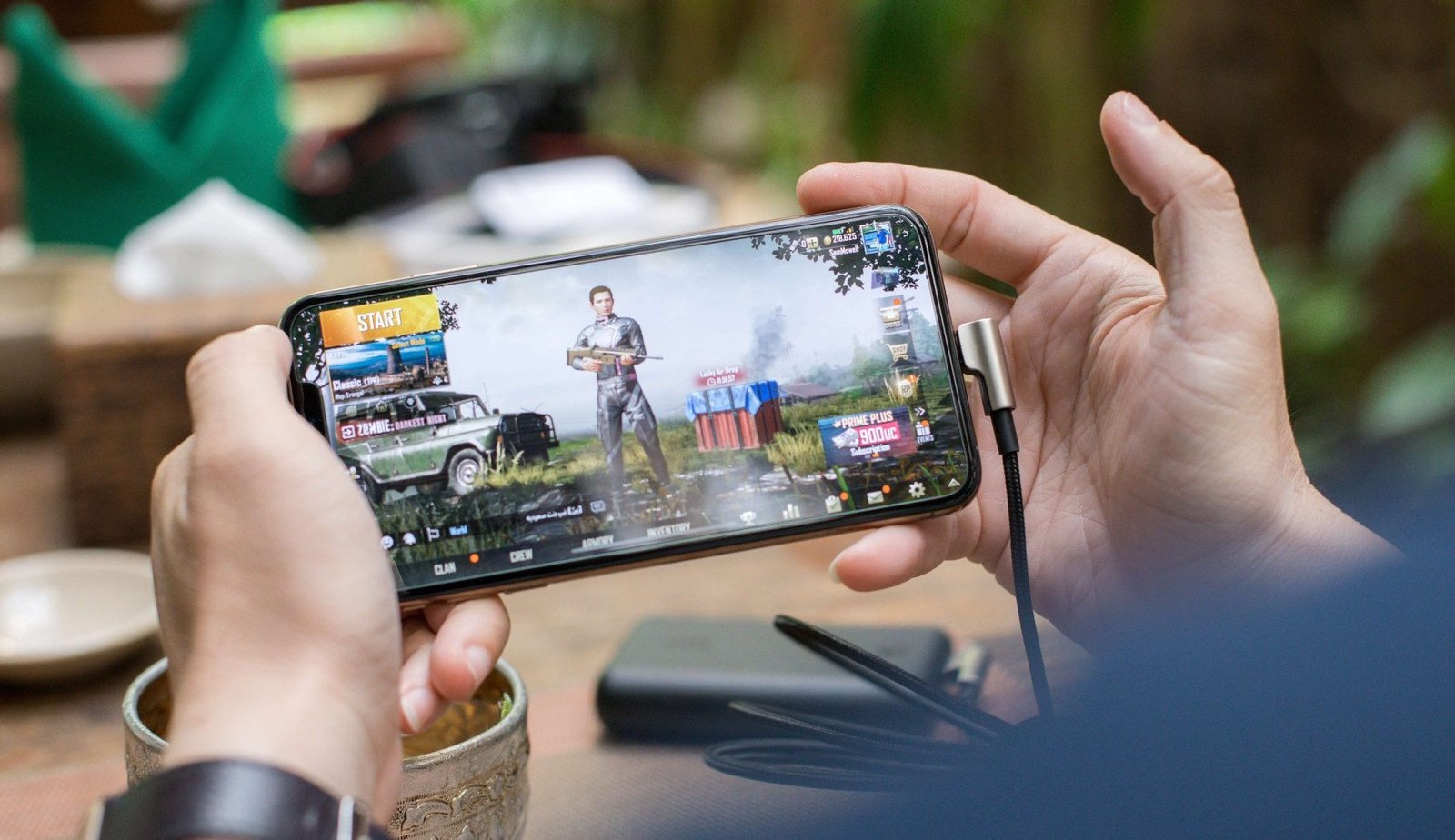
Mobile Esports Gaming: The Powerhouse Driving Competitive Gaming Forward
When we think of esports, images of massive PC setups and console tournaments often come to mind. But in reality, mobile esports has become the true powerhouse of the global competitive gaming scene. With smartphones in nearly every hand and affordable internet access growing worldwide, mobile games have taken esports from niche stages to mainstream audiences.
The Rise of Mobile Esports
The turning point for mobile esports came in the late 2010s with titles like PUBG Mobile, Free Fire, and Clash Royale. These games weren’t just casual entertainment—they introduced ranked modes, tournaments, and professional leagues that rivaled traditional PC and console competitions.
In countries like India, Brazil, Indonesia, and China, mobile gaming exploded due to affordability. Unlike expensive PCs or consoles, all you need is a smartphone to participate—and that’s what democratized esports globally.
Popular Mobile Esports Titles
Here are some of the biggest mobile esports titles shaping the industry today:
-
PUBG Mobile / BGMI (Battlegrounds Mobile India) – The cornerstone of mobile esports in Asia, drawing millions of live viewers.
-
Free Fire MAX – Known for its massive following in Latin America and Southeast Asia.
-
Mobile Legends: Bang Bang (MLBB) – Dominates Southeast Asia with professional leagues like MPL.
-
Call of Duty: Mobile – A global hit with franchise-style competitive circuits.
-
Clash Royale – One of the earliest mobile games to host structured esports tournaments.
Why Mobile Esports Is Exploding
-
Accessibility & Affordability
No need for high-end PCs—just a mid-range phone and internet connection. -
Global Reach
Billions of smartphone users worldwide create a massive potential player base. -
Streaming & Social Media Integration
Platforms like YouTube Gaming, Loco, and TikTok boost visibility and fan engagement. -
Brand Sponsorships
Companies from tech giants to FMCG brands are investing in mobile esports for youth outreach. -
Youth Appeal
Gen Z and Gen Alpha find mobile gaming more relatable than traditional sports.
The Esports Ecosystem Around Mobile
Mobile esports isn’t just about the players—it’s a whole industry:
-
Professional Teams & Leagues – Organizations like GodLike Esports, EVOS, and Nova Esports dominate the scene.
-
Streamers & Influencers – Many young gamers build careers as full-time creators.
-
Tournaments & Prize Pools – Competitions like PUBG Mobile Global Championship (PMGC) offer multi-million-dollar prizes.
-
Event Production & Sponsorships – Brands partner with tournaments to reach a highly engaged, young audience.
Challenges Facing Mobile Esports
-
Device & Connectivity Limitations – Not all regions have stable internet or top-tier phones.
-
Game Bans & Regulations – Titles like PUBG and Free Fire have faced bans in countries like India.
-
Player Burnout – Long training hours and constant tournaments can harm mental health.
-
Sustainability – Ensuring long-term profitability for organizers and teams remains tricky.
The Future of Mobile Esports
With 5G technology rolling out, cloud gaming on mobile will remove hardware barriers even further. Governments, like India recently recognizing esports as a sport, are giving legitimacy to the field. Mobile esports could soon rival—or even surpass—PC esports in terms of player base and audience size.
Analysts predict that by 2030, mobile will account for over half of the global esports market revenue, making it the driving force behind the industry’s growth.
✅ Final Thought: Mobile esports gaming isn’t just a stepping stone—it’s the future of competitive gaming. From small towns in India to mega arenas in Singapore, mobile esports is proving that anyone with a phone can be a world-class competitor.